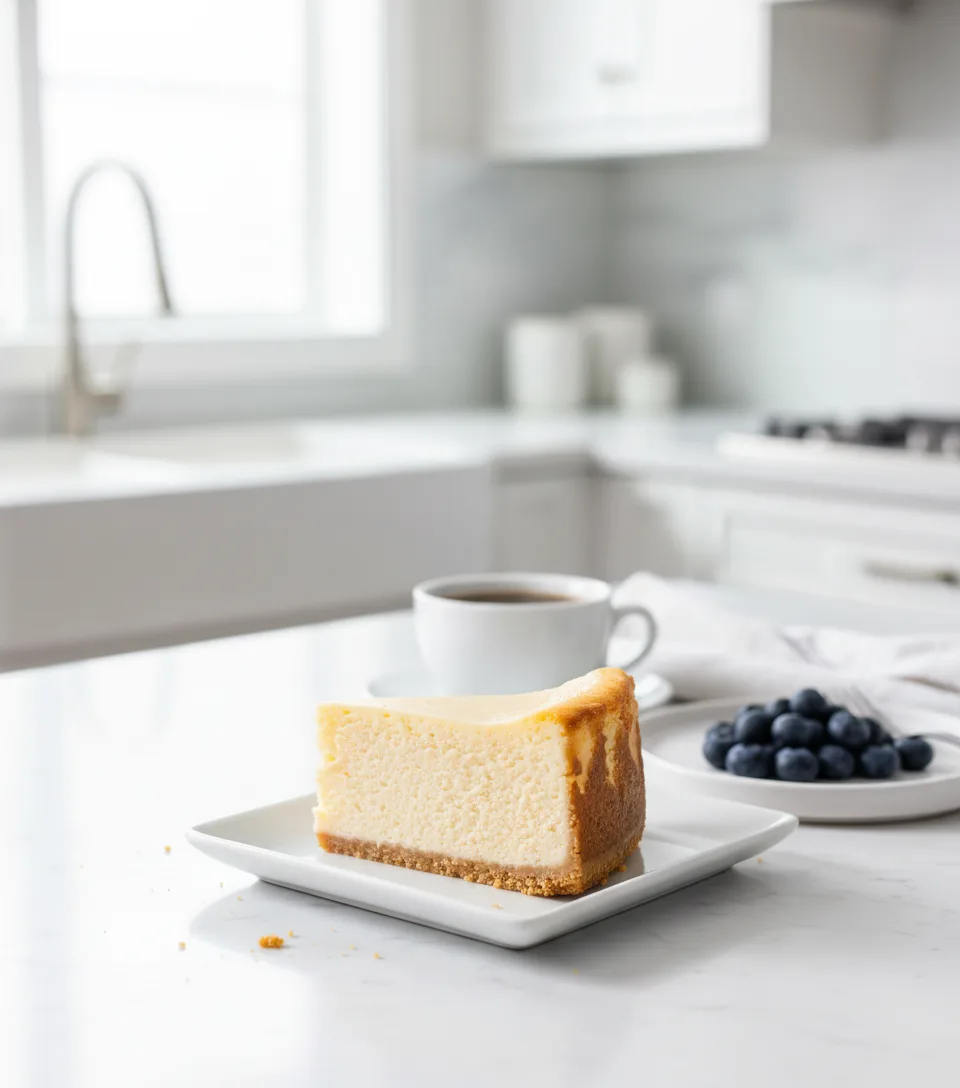
The mere mention of New York cheesecake conjures images of a luxurious, impossibly smooth, and undeniably dense dessert. It's a culinary icon, a testament to simple ingredients transformed into something extraordinary. Yet, many home bakers shy away from attempting this classic, fearing the dreaded cracks, dry texture, or a less-than-velvety consistency. But what if we told you that achieving a flawless, crack-free New York cheesecake isn't an elusive dream but an attainable reality? It all comes down to understanding a few crucial techniques and a dash of patience.
Forget the myth that perfect cheesecake is only for professional pâtissiers. With these secrets, you'll be baking a Classic New York Cheesecake: Rich, Creamy, & Undeniably Dense that rivals the best delis and bakeries, right in your own kitchen.
The Hallmarks of a True New York Cheesecake
Before diving into the "how," let's clarify what defines a quintessential New York cheesecake. Unlike its lighter, airier counterparts, a true New York style cheesecake is characterized by its remarkable density and unparalleled creaminess. Its foundation is typically full-fat cream cheese, often complemented by eggs, sugar, and a touch of sour cream or heavy cream to achieve that signature velvety texture. The flavor profile is usually clean and elegant, dominated by vanilla, perhaps a hint of lemon, allowing the rich dairy to shine through.
The crust is another distinguishing feature. While cheesecakes globally might feature pastry, sponge cake, or various cookie bases, the classic New York cheesecake almost exclusively rests upon a simple, buttery graham cracker crust. This crust typically forms only the base, providing a delightful textural contrast without distracting from the grandeur of the filling. Served chilled, it's a dessert that demands a fork to truly appreciate its luxurious mouthfeel.
Crafting the Perfect Crust: Foundation for Flawless Flavor
A great cheesecake starts with a great crust. For a traditional New York cheesecake, this means a crisp, flavorful graham cracker base that stands up to the rich filling without becoming soggy. It's not just an afterthought; it's the structural and textural anchor.
Ingredients for a Superior Crust:
- Graham Crackers: Ensure they are finely crushed. You can use a food processor for consistency, or a zip-top bag and a rolling pin for a more rustic approach.
- Melted Butter: Unsalted butter is preferred to control the saltiness. The butter binds the crumbs, creating a sturdy foundation.
- Sugar: Just enough to add a touch of sweetness and help with caramelization during pre-baking.
Tips for Success:
- Fine Crumbs are Key: Lumpy crumbs can lead to a crumbly, uneven crust.
- The Right Ratio: Too little butter, and your crust will fall apart; too much, and it will be greasy. Follow a reliable recipe for precise measurements.
- Press Firmly and Evenly: Use the bottom of a glass or a flat measuring cup to press the mixture firmly and evenly across the bottom of your springform pan. Avoid letting the crust ride up the sides, as per some classic New York styles, keeping the focus entirely on the creamy filling.
- Pre-baking is Recommended: While some recipes skip this, a short pre-bake (around 8-10 minutes at 350°F / 175°C) helps toast the crumbs, deepen their flavor, and makes the crust sturdier, preventing it from becoming soggy once the filling is added. Allow it to cool completely before adding the filling.
Unlocking the Velvety Filling: Beyond Just Ingredients
The heart of any New York cheesecake is its filling – an intoxicating blend of creamy, tangy, and sweet. While the ingredients are straightforward, the technique for combining them is paramount to achieving that legendary dense, creamy, and crack-free texture.
Essential Ingredients and Their Roles:
- Full-Fat Cream Cheese: This is non-negotiable. It provides the characteristic tang, richness, and structure. Always ensure it's at room temperature for smooth mixing.
- Granulated Sugar: Sweetens the cheesecake and helps tenderize the cream cheese.
- Large Eggs: Act as a binder and provide structure as they coagulate during baking.
- Sour Cream or Heavy Cream: Adds moisture, tanginess, and contributes significantly to the silky texture. Room temperature is crucial here too.
- Vanilla Extract: The quintessential flavoring for a classic New York cheesecake.
- Optional additions: A touch of lemon zest or juice can brighten the flavor without overpowering it.
The Art of Mixing: Preventing Cracks Before They Start:
This is where many home bakers go wrong. The goal is to create a perfectly smooth, lump-free batter without incorporating too much air. Excess air is the primary culprit behind cracks!
- Cream Cheese & Sugar First: In a large bowl, beat the softened cream cheese and sugar together until absolutely smooth and lump-free. Start on low speed and gradually increase to medium. Scrape down the bowl frequently. This ensures a consistent base.
- Add Eggs One at a Time: This is critical. Beat in each egg just until it's incorporated before adding the next. Overmixing eggs whips air into the batter, which will cause the cheesecake to puff up dramatically during baking and then collapse and crack as it cools.
- Fold in Remaining Liquids Gently: Once the eggs are in, gently fold in the sour cream, vanilla, and any other liquid flavorings. Mix just until combined. The less you mix at this stage, the better.
Pro Tip: All ingredients, especially cream cheese and eggs, must be at room temperature. Cold ingredients don't emulsify well, leading to lumpy batter and inconsistent texture.
The Water Bath Method: Your Secret Weapon for Perfection
If there’s one technique that elevates a good cheesecake to a truly flawless one, it’s the water bath. This method, also known as a bain-marie, is not just culinary fuss; it's a scientific approach to ensuring that dense, creamy, and crack-free texture every time. For an in-depth dive into this essential technique, check out our guide on Mastering New York Cheesecake: The Water Bath Technique Explained.
Why the Water Bath is Indispensable for New York Cheesecake:
- Humidity Control: An oven is a dry environment. This dryness can cause the surface of your cheesecake to bake and set too quickly, forming a "crust" that will inevitably crack as the interior continues to expand and then contract during cooling. The water bath introduces steam into the oven, creating a humid environment that keeps the top of the cheesecake moist and soft, preventing surface cracks.
- Even, Gentle Heat: Cheesecake is essentially a delicate custard. Rapid, direct heat can cause the eggs and dairy proteins to cook too quickly, leading to a curdled or rubbery texture. Submerging the springform pan in hot water provides gentle, indirect, and stable heat, allowing the cheesecake to cook slowly and evenly. This controlled cooking process is key to achieving that perfectly creamy, velvety consistency.
Setting Up Your Water Bath:
- Wrap Your Springform Pan Securely: This is critical to prevent water from seeping into your crust. Use several layers of heavy-duty aluminum foil, wrapping it tightly around the bottom and sides of your springform pan, extending well above the filling line. Some bakers even place their wrapped springform pan inside an oven-safe slow cooker bag for extra insurance against leaks.
- Prepare a Roasting Pan: Place the wrapped cheesecake pan into a larger roasting pan or oven-safe baking dish.
- Add Hot Water: Carefully pour steaming hot water into the larger pan, ensuring it comes at least halfway up the sides of the cheesecake pan (about 1-2 inches). Do this after placing the pan in the oven to minimize spills and burns.
While you *can* bake a New York cheesecake without a water bath, be prepared for a higher risk of cracks and a potentially drier texture. For true perfection, the water bath is your best friend.
Baking, Cooling, and Chilling: The Final Touches
The journey to a flawless New York cheesecake isn't over when it comes out of the oven. The post-baking process is just as vital for achieving that iconic dense, creamy texture and preventing those disheartening cracks.
Knowing When It's Done:
Resist the urge to overbake! A perfectly baked cheesecake will still have a slight jiggle in the center when gently nudged, similar to set Jell-O. The outer 2-3 inches should appear set and slightly puffed, while the very center (about a 3-inch diameter) should still wobble. If the entire cheesecake looks set and firm, it's likely overbaked, which can lead to a dry texture and cracks.
The Gentle Cooling Process:
- Slow Oven Cool-Down: Once baked, turn off the oven and prop the door open slightly (you can use a wooden spoon). Leave the cheesecake in the oven for at least an hour, or even two. This gradual cooling prevents a drastic temperature change, which is a common cause of cracks due to rapid contraction.
- Countertop Cool-Down: After the oven cool-down, carefully remove the cheesecake from the water bath (and the roasting pan) and place it on a wire rack to cool completely to room temperature.
- Loosen the Edges (Optional but Recommended): Once cooled slightly, run a thin knife around the edge of the cheesecake (still in the springform pan). This helps prevent the edges from sticking to the pan as the cheesecake continues to contract, further reducing the chance of cracks.
The Crucial Chill:
This step is non-negotiable for a truly dense and creamy New York cheesecake. Once at room temperature, cover the cheesecake loosely with plastic wrap and refrigerate it for at least 6-8 hours, but ideally overnight. Chilling allows the cheesecake to fully set, firm up to its characteristic density, and develop its rich flavors. Serving it too early will result in a less firm, less satisfying experience.
Finishing Touches:
Before serving, you can enhance your New York cheesecake with a classic sour cream topping (a simple mix of sour cream, sugar, and vanilla spread over the chilled cake) or a vibrant fruit sauce, fresh berries, or a drizzle of chocolate. The beauty of the classic lies in its versatility.
Conclusion
Crafting a flawless New York cheesecake is a journey that rewards patience and attention to detail. From selecting the right ingredients and mastering the gentle mixing technique to embracing the protective embrace of the water bath and allowing ample time for chilling, each step plays a crucial role. By understanding the 'why' behind these techniques, you can confidently create a dessert that is not just dense and creamy, but gloriously crack-free and utterly irresistible. So, arm yourself with these secrets, step into your kitchen, and prepare to bake a New York cheesecake that will leave everyone asking for seconds.
