Classic New York Cheesecake: Unveiling the Icon of Indulgence
There are cheesecakes, and then there's the
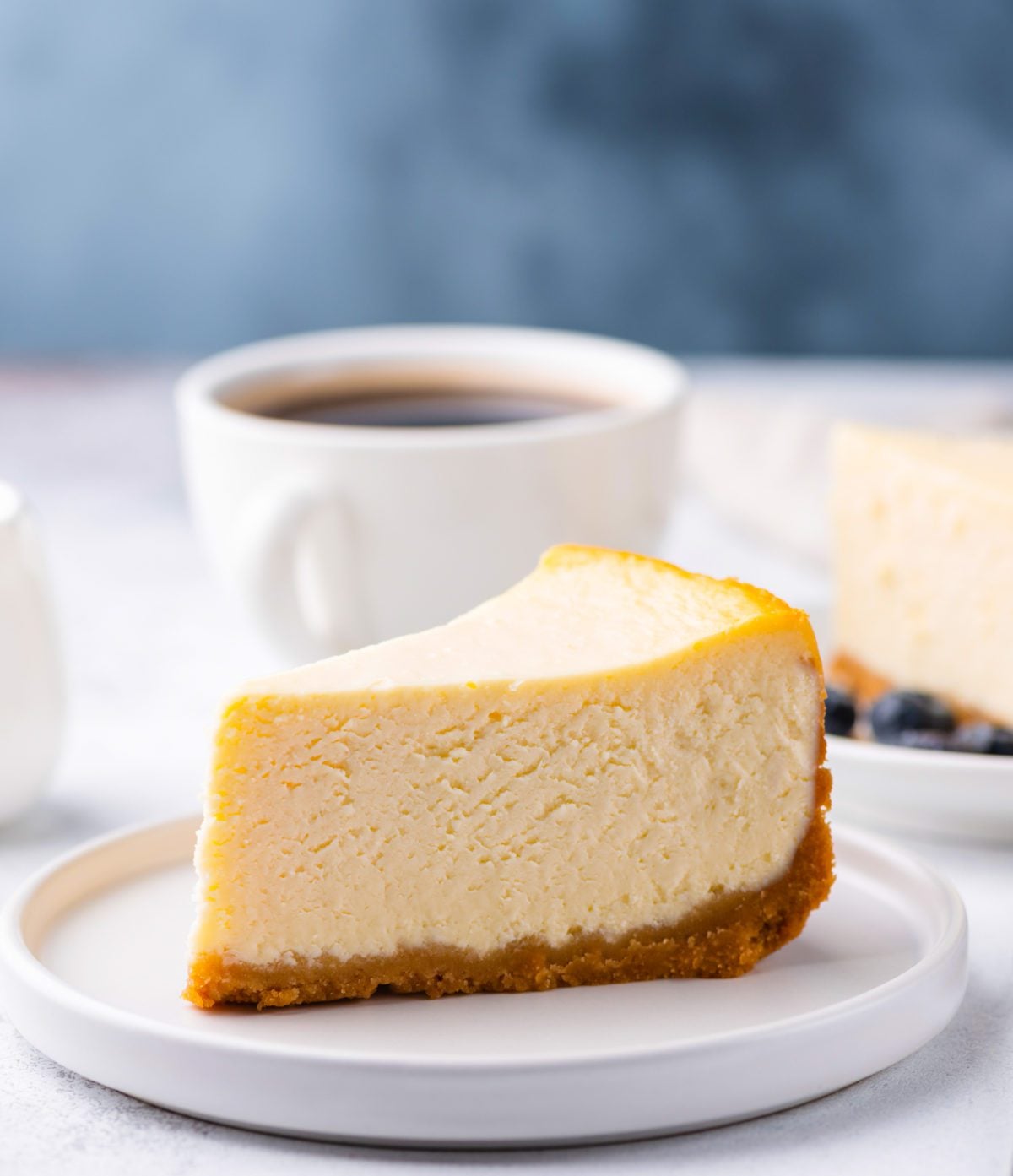
Classic New York Cheesecake – a dessert so iconic it practically has its own fan club. Renowned for its unparalleled richness, luxuriously creamy texture, and satisfyingly dense consistency, this dessert transcends a simple recipe to become an experience. Forget light, airy, or fluffy; a true New York-style cheesecake is a decadent masterpiece, a testament to the beauty of simplicity executed perfectly. It's the kind of dessert that commands attention, offering a profoundly satisfying sweetness that lingers, leaving an unforgettable impression.
At its heart, cheesecake is a delightful creation made from a base of soft, fresh cheese – traditionally cream cheese for the New York variety – blended with eggs and sugar. This luscious filling often rests upon a delectable crust, most famously crafted from crushed graham crackers. Served chilled, sometimes plain to let its inherent glory shine, and other times adorned with vibrant fruits or luscious sauces, the classic New York cheesecake is more than just a dessert; it’s a cultural touchstone, a culinary legend that has captivated palates far beyond the bustling streets of its namesake city.
What Defines a Classic New York Cheesecake?
While many variations of cheesecake exist globally, the
New York cheesecake stands out due to its distinctive characteristics. It's not merely a regional twist; it's a specific profile that serious dessert aficionados instantly recognize and crave.
The primary distinguishing factor lies in its core ingredients and proportions. Unlike lighter, airier cheesecakes that might incorporate ingredients like whipped cream or ricotta for a fluffier consistency, a New York cheesecake is predominantly built on a high ratio of full-fat cream cheese. This generous use of cream cheese, combined with fewer eggs relative to other styles, is what gives it its signature density and an almost velvety mouthfeel that is both heavy and incredibly smooth.
Here’s a breakdown of its defining features:
*
Richness and Creaminess: This is non-negotiable. The high percentage of cream cheese ensures a deeply rich flavor and an impossibly smooth, creamy texture that melts in your mouth.
*
Density: It's dense without being heavy or pasty. Each bite offers a satisfying "give" that speaks to its substantial nature. This density is a direct result of the ingredient ratios and the gentle baking process.
*
Simple Flavor Profile: While additions are welcome, the classic iteration shines with straightforward flavors: pure vanilla extract, a hint of lemon zest, and sometimes a touch of sour cream to add a subtle tang that balances the sweetness.
*
Signature Crust: The base is almost always a buttery graham cracker crust, sometimes riding up the sides of the springform pan, but often just a thick, sturdy foundation on the bottom. This crust provides a delightful textural contrast to the smooth filling.
*
High Sides: Many traditional New York cheesecakes are baked in springform pans with tall sides, allowing for a substantial, impressive height.
The "perfect" new york cheesecake recipe is a holy grail for many bakers, and while personal preferences vary, the quest is always for that quintessential rich, creamy, and undeniably dense result.
Crafting the Iconic Graham Cracker Crust: The Foundation of Flavor
Every magnificent structure requires a solid foundation, and for the
Classic New York Cheesecake, that foundation is its signature graham cracker crust. This isn't just an afterthought; it's an integral component that adds essential flavor, texture, and a slight saltiness that brilliantly cuts through the richness of the creamy filling.
While some cheesecake recipes might opt for pastry, cookies, or even sponge cake for their base, the graham cracker crust is synonymous with the New York style for a reason. Its subtly sweet, slightly spiced flavor harmonizes perfectly with the vanilla and cream cheese.
To achieve an ideal crust:
*
The Right Ratio: Combine finely crushed graham crackers with melted butter and a touch of sugar. The butter acts as a binder, holding the crumbs together firmly.
*
Firmly Pressed: Whether you choose to extend the crust up the sides of your springform pan or keep it exclusively on the bottom, it's crucial to press the mixture down very firmly. Use the bottom of a flat glass or a measuring cup to compact the crumbs evenly. A thick bottom crust provides a satisfying textural contrast.
*
Optional Pre-Bake: Some recipes suggest a short pre-bake for the crust before adding the filling. This step can help set the crust, making it less prone to crumbling when sliced and preventing it from becoming soggy from the moisture of the filling.
A well-made graham cracker crust elevates the entire cheesecake, providing that satisfying crunch and flavor counterpoint that defines the classic experience.
The Water Bath Method: Your Secret Weapon for Silky Perfection
If there's one technique that home bakers often shy away from but is absolutely *essential* for a truly flawless
New York cheesecake, it's the water bath – also known as a Bain-Marie. This method might seem like a bit of a fuss, but the benefits it provides in terms of texture and appearance are well worth the extra effort. In fact, understanding this technique is key to mastering the creamy, crack-free surface that is the hallmark of an expertly made cheesecake.
The primary reasons for using a water bath are two-fold:
1.
Humidity Control: Ovens are notoriously dry environments. When baking a cheesecake, this dry heat can cause the delicate top layer to cook too quickly, forming a "skin" or crust that can eventually crack as the cheesecake cools and contracts. The water bath introduces moisture into the oven's atmosphere, creating a humid micro-environment around the cheesecake. This prevents the top from drying out and encourages even cooking, resulting in that smooth, soft, unblemished surface we all desire.
2.
Even, Gentle Heat: Cheesecake filling is a delicate emulsion of dairy and eggs. Rapid, intense heat can cause the eggs to cook too quickly, leading to a curdled, rubbery, or grainy texture. By submerging the cheesecake pan in a bath of steaming water, the heat is transferred more gently and evenly to the filling. This controlled, consistent temperature ensures that the eggs and dairy cook slowly and uniformly, resulting in the incredibly creamy, velvety smooth texture that defines a perfect
New York cheesecake.
The process involves wrapping your springform pan very securely with several layers of heavy-duty aluminum foil to prevent water seepage. The wrapped pan is then placed into a larger roasting pan or oven-safe dish, and a few inches of hot water are carefully poured into the outer pan, surrounding the cheesecake. While you *can* bake cheesecake without a water bath, you significantly increase the risk of developing cracks on the surface and achieving a somewhat drier, less luxurious texture. For an in-depth guide on this crucial technique, explore our article on
Mastering New York Cheesecake: The Water Bath Technique Explained.
From Oven to Indulgence: Baking, Doneness, and Cooling
Achieving the perfect
New York cheesecake involves more than just selecting quality ingredients and using a water bath; it's also about precise baking, understanding doneness cues, and a patient cooling process. These steps are critical to ensuring your cheesecake emerges with that desired dense, creamy texture and a pristine, crack-free surface.
*
Baking for Balance: The goal is to bake the cheesecake just enough so it's set, but not so much that it becomes dry or rubbery. Over-baking is one of the quickest ways to ruin a cheesecake's texture and encourage cracking.
*
Identifying Doneness: This is where observation is key. When your cheesecake is perfectly baked, the outer ring (about an inch or two from the edge) should appear slightly puffed and set. The center, however, should still have a slight jiggle – not a liquid slosh, but a gentle, controlled quiver, much like a perfectly set Jell-O. If the outer ring is still jiggly or the center wobbles excessively, continue baking in 5-minute increments until the desired consistency is achieved. If the center looks puffed or solidified, it's likely over-baked.
*
The Critical Cooling Phase: Once baked, resist the urge to immediately remove your masterpiece from the oven. Sudden temperature changes are a major culprit for cracks.
1.
Oven Cooling: Turn off the oven, prop the door open slightly (you can use a wooden spoon), and allow the cheesecake to cool gradually inside the oven for at least an hour. This slow transition helps prevent the cheesecake from shrinking too rapidly and cracking.
2.
Room Temperature Cooling: After its oven rest, remove the cheesecake from the water bath (carefully unwrapping the foil) and let it cool completely on a wire rack at room temperature.
3.
Chilling for Perfection: This is arguably the most important step for developing the classic texture and flavor. Once cooled to room temperature, cover the cheesecake loosely and refrigerate it for a minimum of 6-8 hours, or ideally, overnight. Chilling allows the cheesecake to fully set, firm up, and allows its flavors to meld and deepen, achieving that signature dense and satisfying slice.
For more insights into preventing common cheesecake mishaps and ensuring a pristine finish, check out our detailed guide on
Secrets to a Flawless New York Cheesecake: Dense, Creamy, Crack-Free.
Elevating Your Slice: Toppings and Personal Touches
While a classic
New York cheesecake is utterly divine on its own, its inherent versatility means it serves as a magnificent canvas for a variety of complementary toppings and flavor variations. These additions can either enhance its timeless appeal or introduce an exciting new dimension to each slice.
*
Fresh Fruit Medley: One of the most popular and visually appealing toppings is fresh fruit. Vibrant red raspberries or strawberries not only add a burst of tartness that beautifully contrasts the cheesecake's richness but also introduce a lovely textural pop and a splash of color. Blueberries, cherries, or a mix of seasonal berries are also fantastic choices.
*
Tangy Fruit Sauces: A drizzle of homemade fruit sauce – raspberry, cherry, or even a lemon curd – can elevate the experience. The acidity in the sauce cuts through the creaminess, creating a perfectly balanced bite.
*
Classic Sour Cream Topping: Some authentic recipes call for a simple, lightly sweetened sour cream topping, added and briefly baked (or simply spread on a chilled cheesecake). This layer introduces a subtle tang and an extra layer of creaminess that many aficionados adore.
*
Chocolate Indulgence: For chocolate lovers, a scattering of chocolate shavings, a drizzle of rich chocolate ganache, or a sophisticated chocolate syrup can turn a classic into a decadent dream.
*
Nuts and Caramel: Toasted nuts like pecans or walnuts, perhaps paired with a luscious caramel sauce, offer a delightful crunch and a warm, buttery flavor profile.
*
Flavor the Batter: Don't limit creativity to toppings. While vanilla and lemon zest are traditional, you can infuse the batter itself with other flavors like a hint of almond extract, orange zest, or even spices like cinnamon and nutmeg for a seasonal twist.
Whether you prefer it naked and pure, or adorned with a cascade of berries, the classic New York cheesecake adapts beautifully, always delivering on its promise of rich, creamy, and undeniably dense indulgence.
Indulge in the Timeless Allure of Classic New York Cheesecake
The
Classic New York Cheesecake is more than just a dessert; it's a testament to the power of quality ingredients and precise techniques coming together to create something truly extraordinary. Its journey from a humble blend of cheese, eggs, and sugar to an iconic, dense, and creamy masterpiece is a culinary story worth savoring. By understanding the nuances of ingredient selection, mastering the essential water bath, and patiently following the baking and cooling process, you can recreate this legendary dessert in your own kitchen. Whether you serve it unadorned, allowing its pure, rich flavor to shine, or dress it up with your favorite fruits and sauces, a slice of New York cheesecake promises an experience of unparalleled indulgence. It's a dessert that invites you to slow down, savor each velvety bite, and appreciate the simple, profound pleasure of a perfectly executed classic. So, why not embark on your own cheesecake adventure and discover the magic for yourself?